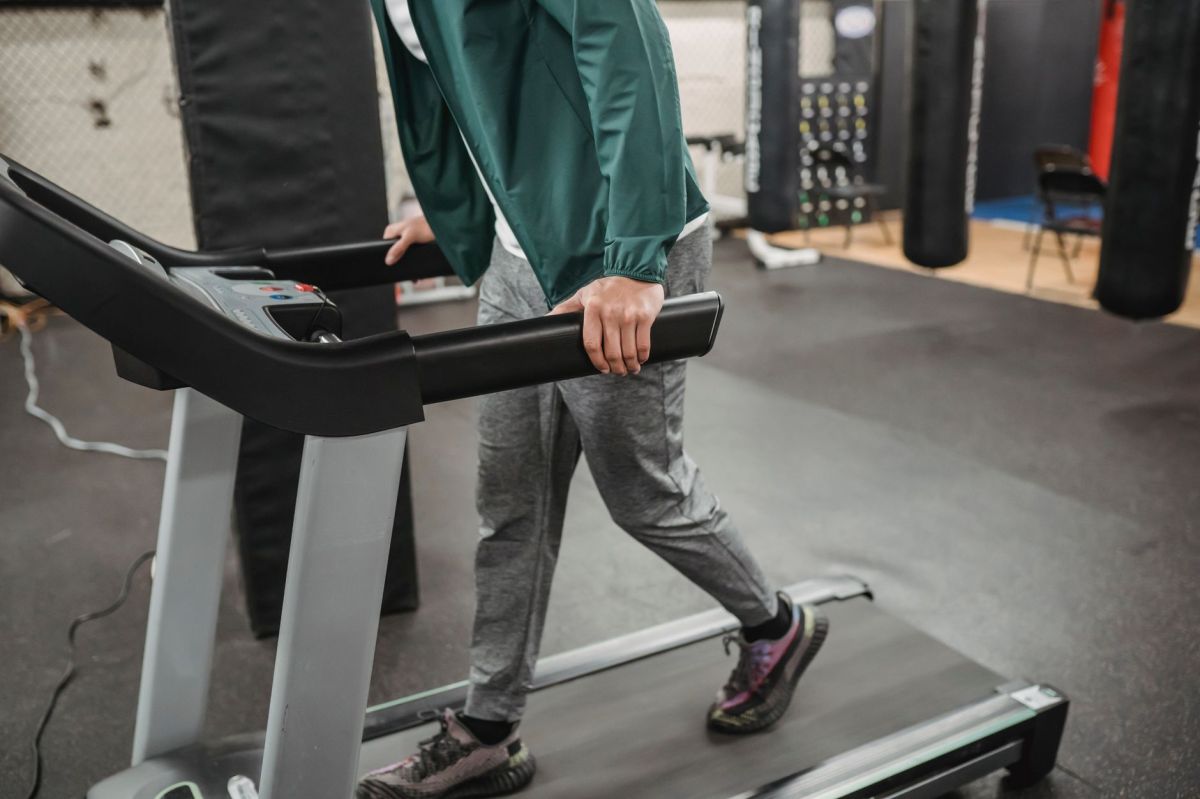
If you’ve spent more than five minutes on TikTok or Instagram lately, you’ve probably seen someone strolling along on a slim little treadmill while answering emails. Walking pads have gone from niche gadget to full-blown phenomenon, and searches for them in the UK are at an all-time high. But are they actually worth the money, or are they destined to join the exercise bike gathering dust in the spare room? Let’s have an honest look.
Why is everyone suddenly walking at their desk?
A few things have collided at once. Hybrid working means millions of us are still at home several days a week, racking up embarrassingly low step counts. At the same time, viral walking trends like the 12-3-30 workout and the “Hot Girl Walk” have made walking cool again — no small feat for the most basic form of exercise there is.
Add in the fact that walking pads are cheap compared to a full treadmill, fold away under a sofa, and let you exercise while doing something else entirely, and you can see the appeal. Home fitness in general is booming in the UK in 2026, with walking consistently coming out as the nation’s favourite way to stay active.
What the science actually says
Here’s the good news: the research on walking pads is surprisingly solid. A meta-analysis of 13 studies published in BMC Public Health found that under-desk treadmills helped office workers burn roughly an extra 100 calories per hour while meaningfully cutting down sitting time. Considering the NHS links excessive sitting to type 2 diabetes, heart disease and some cancers, anything that gets you off your chair is doing real work.
It’s not just physical, either. A small 2023 study found that people who used a walking pad during the workday reported better energy levels, less hip and back pain, improved mood, and even feeling more focused and creative. If you’ve ever felt that 3pm slump hit like a freight train, a 20-minute stroll while you clear your inbox might be exactly the fix.
And you don’t need to hit some mythical number to benefit. Research suggests that around 7,000 steps a day is a sweet spot for reducing the risk of a whole range of diseases — far more achievable than the famous 10,000, especially when some of those steps happen during meetings.
The catch (because there’s always one)
Before you sprint to the checkout, a reality check. That same meta-analysis found that while walking pads reduced sitting time, they didn’t significantly move the needle on things like blood pressure, blood sugar or BMI on their own. A walking pad is a brilliant tool for adding low-intensity movement to your day — it is not a replacement for proper exercise.
Walking at 2-3 km/h while typing is never going to get your heart rate into the zones that build cardiovascular fitness, and it does nothing for muscle and bone strength, which matter more and more as we age. Think of it as the foundation of your activity, not the whole building.
There’s also the honesty test: will you actually use it? Plenty of walking pads end up as expensive doormats. If you already struggle to use kit you’ve bought, be realistic about whether this will be different. The people who get the most out of them tend to be home workers who genuinely spend six-plus hours a day at a desk.
What to look for if you buy one
UK prices range from around £100 for a basic model to £400+ for fancier ones with inclines and app connectivity. Whatever your budget, check these before buying:
- Speed range: Most pads top out around 6 km/h. If you ever want to jog, you’ll need one with handrails and a higher top speed — but for desk use, slower is fine.
- Noise level: Crucial if you take video calls. Look for models advertised under 60 decibels and read reviews from actual home workers.
- Weight capacity and belt size: A wider, longer belt is more comfortable and safer, especially if you’re tall.
- Portability: Wheels and a slim profile matter if you’re sliding it under a sofa or bed between sessions.
- Warranty: Cheap motors burn out. A two-year warranty is worth paying a little extra for.
The dream combo: walking pad + gym
The smartest way to think about a walking pad is as a partner to your proper training, not a substitute for it. Use the pad to keep your daily movement ticking over — those easy steps during calls and emails — and keep your gym sessions for the stuff that actually builds strength and fitness: lifting, classes, intervals, the works.
If you’re working from home most days and your old gym near the office no longer makes sense, you can find a gym near you on Gymist — or browse personal trainers who can build you a programme that complements all that walking.
The verdict
Worth it? For the right person, absolutely. If you work from home, sit for long stretches and want a low-effort way to add thousands of steps to your day, a walking pad is one of the best-value bits of fitness kit you can buy in 2026. Just go in with your eyes open: it’s a movement tool, not a magic bullet, and it works best alongside real training rather than instead of it.
Happy strolling — your step count (and your back) will thank you.

