Categories
Gym Tips Product Reviews

Are Walking Pads Worth It? An Honest Guide for UK Home Workers

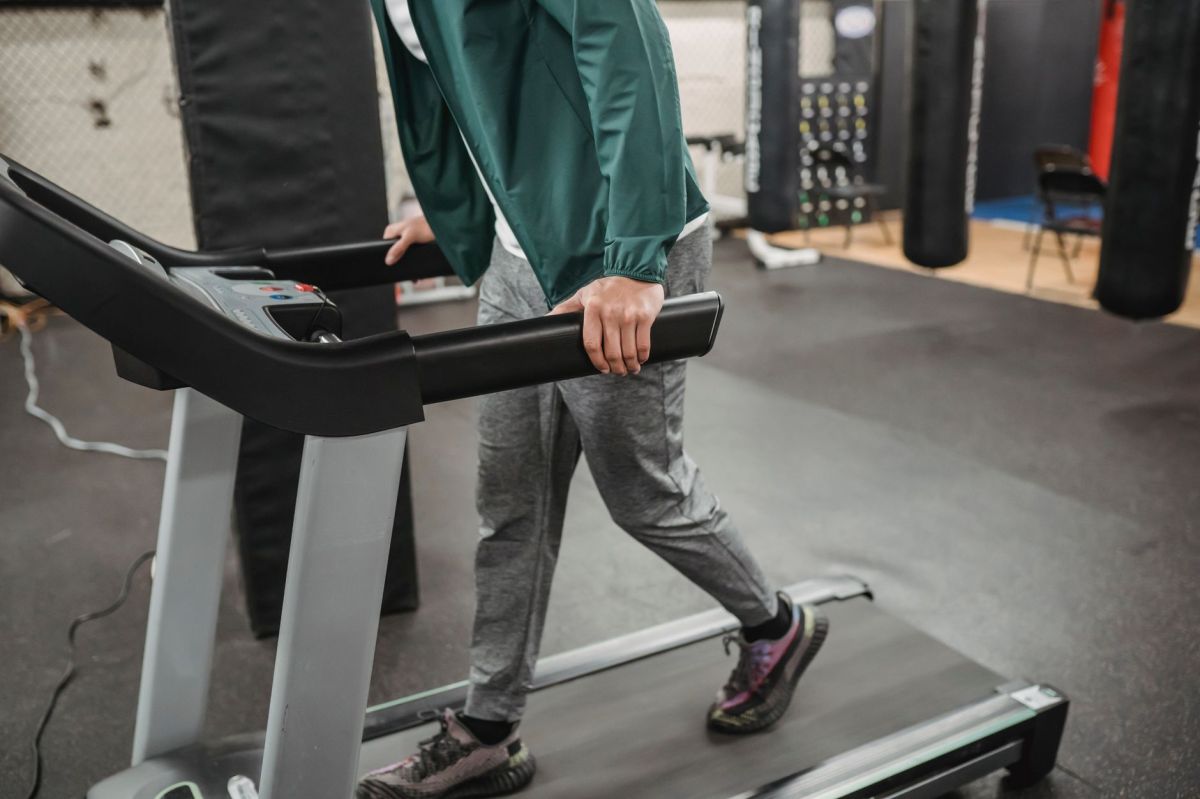
If you’ve spent more than five minutes on TikTok or Instagram lately, you’ve probably seen someone strolling along on a slim little treadmill while answering emails. Walking pads have gone from niche gadget to full-blown phenomenon, and searches for them in the UK are at an all-time high. But are they actually worth the money, or are they destined to join the exercise bike gathering dust in the spare room? Let’s have an honest look.

Why is everyone suddenly walking at their desk?

A few things have collided at once. Hybrid working means millions of us are still at home several days a week, racking up embarrassingly low step counts. At the same time, viral walking trends like the 12-3-30 workout and the “Hot Girl Walk” have made walking cool again — no small feat for the most basic form of exercise there is.

Add in the fact that walking pads are cheap compared to a full treadmill, fold away under a sofa, and let you exercise while doing something else entirely, and you can see the appeal. Home fitness in general is booming in the UK in 2026, with walking consistently coming out as the nation’s favourite way to stay active.

What the science actually says

Here’s the good news: the research on walking pads is surprisingly solid. A meta-analysis of 13 studies published in BMC Public Health found that under-desk treadmills helped office workers burn roughly an extra 100 calories per hour while meaningfully cutting down sitting time. Considering the NHS links excessive sitting to type 2 diabetes, heart disease and some cancers, anything that gets you off your chair is doing real work.

It’s not just physical, either. A small 2023 study found that people who used a walking pad during the workday reported better energy levels, less hip and back pain, improved mood, and even feeling more focused and creative. If you’ve ever felt that 3pm slump hit like a freight train, a 20-minute stroll while you clear your inbox might be exactly the fix.

And you don’t need to hit some mythical number to benefit. Research suggests that around 7,000 steps a day is a sweet spot for reducing the risk of a whole range of diseases — far more achievable than the famous 10,000, especially when some of those steps happen during meetings.

The catch (because there’s always one)

Before you sprint to the checkout, a reality check. That same meta-analysis found that while walking pads reduced sitting time, they didn’t significantly move the needle on things like blood pressure, blood sugar or BMI on their own. A walking pad is a brilliant tool for adding low-intensity movement to your day — it is not a replacement for proper exercise.

Walking at 2-3 km/h while typing is never going to get your heart rate into the zones that build cardiovascular fitness, and it does nothing for muscle and bone strength, which matter more and more as we age. Think of it as the foundation of your activity, not the whole building.

There’s also the honesty test: will you actually use it? Plenty of walking pads end up as expensive doormats. If you already struggle to use kit you’ve bought, be realistic about whether this will be different. The people who get the most out of them tend to be home workers who genuinely spend six-plus hours a day at a desk.

What to look for if you buy one

UK prices range from around £100 for a basic model to £400+ for fancier ones with inclines and app connectivity. Whatever your budget, check these before buying:

  • Speed range: Most pads top out around 6 km/h. If you ever want to jog, you’ll need one with handrails and a higher top speed — but for desk use, slower is fine.
  • Noise level: Crucial if you take video calls. Look for models advertised under 60 decibels and read reviews from actual home workers.
  • Weight capacity and belt size: A wider, longer belt is more comfortable and safer, especially if you’re tall.
  • Portability: Wheels and a slim profile matter if you’re sliding it under a sofa or bed between sessions.
  • Warranty: Cheap motors burn out. A two-year warranty is worth paying a little extra for.

The dream combo: walking pad + gym

The smartest way to think about a walking pad is as a partner to your proper training, not a substitute for it. Use the pad to keep your daily movement ticking over — those easy steps during calls and emails — and keep your gym sessions for the stuff that actually builds strength and fitness: lifting, classes, intervals, the works.

If you’re working from home most days and your old gym near the office no longer makes sense, you can find a gym near you on Gymist — or browse personal trainers who can build you a programme that complements all that walking.

The verdict

Worth it? For the right person, absolutely. If you work from home, sit for long stretches and want a low-effort way to add thousands of steps to your day, a walking pad is one of the best-value bits of fitness kit you can buy in 2026. Just go in with your eyes open: it’s a movement tool, not a magic bullet, and it works best alongside real training rather than instead of it.

Happy strolling — your step count (and your back) will thank you.

Categories
Fitness Culture Gym Tips

Phone-Free Gyms: Why UK Fitness Fans Are Ditching the Scroll

Be honest — how many times did you check your phone during your last workout? A quick glance at a notification between sets, a scroll through Instagram on the treadmill, maybe even a full-blown text conversation while sitting on the leg press (we’ve all seen that person). If you’re nodding along, you’re not alone. But a growing number of UK gyms are now saying enough is enough, and they’re giving members the tools to actually put the phone down.

The Problem With Phones in the Gym

It turns out your phone might be doing more damage to your workout than you think. Research has shown that using your phone while exercising — whether that’s texting, scrolling social media, or answering emails — can reduce your workout intensity, lower your heart rate during cardio, and even slow down your reaction times. One study found that texting on the treadmill actually reduced the average speed of the workout. Another showed that scrolling social media before a resistance training session led to mental fatigue that carried through the entire workout.

And it’s not just about performance. There’s the injury risk too. Anything that takes your attention away from what you’re doing — whether it’s checking a notification mid-squat or switching songs during a set — could put you at risk. Plus, phones can induce stress and anxiety, which is the exact opposite of why most of us go to the gym in the first place.

Fitness First Goes Phone-Free (Sort Of)

Fitness First has rolled out a partnership with digital wellness platform Kip across all 26 of its UK clubs. The concept is simple but clever: members download the Kip app, choose which apps they want to block during their workout (think social media, email, news), and tap their phone against an NFC tag at the gym entrance. That’s it — your distracting apps go quiet until you tap again on the way out.

The beauty of it is that you stay in control. You can keep your music app, your workout tracker, even your calls if you want. It just silences the noise that pulls your focus away from what you’re actually there to do. No one’s confiscating your phone — it’s more like putting it on a diet.

PureGym’s Joy Stroll: Walking Off the Scroll

PureGym took a slightly different approach. After their own research found that the average UK adult scrolls the equivalent of 1.7 miles on their phone every week, they thought: why not walk that distance for real instead?

The result was the Joy Stroll — a branded, phone-free 1.7-mile guided walk held at Manchester’s Whitworth Park. The event featured “Glowments” (think healthy pick-me-ups) along the route and was fronted by TV personality Chris Hughes. It’s a fun, low-barrier way to make the point: the time we spend scrolling could be spent moving.

“We’ve all been there, getting lost in the scroll,” said PureGym’s chief customer officer Barney Harrison. “At PureGym, our mission is to help everyone feel good, and we believe that feeling starts with how you move your body and clear your mind.”

Why Now?

This isn’t just a gym thing — it’s a cultural shift. Phone-free events grew a staggering 567% globally between 2024 and 2025, according to Eventbrite, with attendance climbing 121%. People are genuinely craving time away from their screens, and the fitness industry is perfectly placed to offer it.

The UK fitness sector is booming right now too. The latest UK Health & Fitness Market Report shows gym membership has hit a record 12.2 million, with total industry income reaching £6.5 billion. With that many people through the doors, gyms are looking for ways to differentiate — and digital wellness is becoming a genuine selling point.

Should You Try a Phone-Free Workout?

You don’t need to wait for your gym to install fancy NFC tags. Here are a few ways to test the waters yourself:

  • Leave it in your locker. The simplest option. If your phone isn’t in your hand, you can’t scroll it. Grab a cheap watch if you need to time your rests.
  • Use focus mode. Both iPhone and Android have built-in focus or Do Not Disturb modes. Set one up specifically for gym time that only lets through calls and your music app.
  • Download Kip. Even if your gym isn’t a Fitness First, the Kip app lets you create custom modes to block apps during specific activities.
  • Try it for just one session. Commit to one workout with no scrolling and see how it feels. Most people notice they get through their session faster and feel better afterwards.

The Bottom Line

Your phone is an incredible tool — for tracking workouts, playing music, even following programmes. But when it starts eating into your rest periods and pulling your focus during sets, it’s working against you. The fact that major UK gym chains like Fitness First and PureGym are actively investing in solutions tells you everything: this isn’t a fad, it’s a genuine shift in how we think about fitness and technology.

So next time you head to the gym, maybe try leaving the scroll at the door. Your gains will thank you.

Looking for a gym where you can put the phone down and just train? Find the right gym for you on Gymist.

Categories
Fitness Events Training Guides

What Is HYROX? The UK’s Hottest Fitness Race Explained

If you’ve been anywhere near a gym lately or scrolled through fitness content online, you’ve probably heard the word “HYROX” being thrown around. It’s on everyone’s lips, plastered across gym walls, and filling up Instagram feeds with sweaty finisher photos. But if you’re still not quite sure what it is or whether it’s for you — you’re in the right place.

So, What Actually Is HYROX?

HYROX is a fitness race. Simple as that. Created in Germany back in 2017, it’s grown into one of the biggest sporting events on the planet, with over 1.3 million people expected to take part in 100+ events worldwide during the 2025/26 season.

The concept is brilliantly straightforward: you run 8 kilometres (split into 8 × 1km runs), and between each run, you complete one functional workout station. Eight runs, eight stations, and a whole lot of sweat.

What makes HYROX different from, say, a Tough Mudder or other obstacle events is that the format is always identical. Every HYROX race — whether you’re in London, Birmingham, or Tokyo — features the exact same eight stations, in the exact same order, with the same distances. That means you can train specifically for it, compare your time with friends, and genuinely get better at the thing you’re doing.

The 8 HYROX Stations Explained

Here’s what you’ll face after each 1km run:

1. SkiErg (1,000m) — You’ll pull two overhead cables down in a smooth, rhythmic motion that mimics cross-country skiing. A great full-body aerobic challenge to ease you in.

2. Sled Push (50m) — Load up a weighted sled and push it across the floor. Sounds simple. Very much is not.

3. Sled Pull (50m) — Same sled, but this time you’re walking backwards pulling it with a rope. Grip strength and leg drive are key.

4. Burpee Broad Jumps (80m) — A crowd favourite for all the wrong reasons. You’ll burpee-into-broad-jump your way across 80 metres. It’s as brutal as it sounds.

5. Rowing (1,000m) — A full kilometre on a Concept2 rowing machine. If you haven’t trained on a rower, this is the one that catches people out.

6. Farmers Carry (200m) — Pick up a pair of heavy kettlebells and walk 200 metres. Simple in theory, grip-destroying in practice.

7. Sandbag Lunges (100m) — Shoulder a sandbag and lunge your way down 100 metres. By this point in the race, your legs will be having a serious word with you.

8. Wall Balls (100 reps) — The final station. Squat and throw a weighted ball against a target on the wall, over and over. When you finish, the race is done.

Is HYROX Actually for Beginners?

This is the big question, and the good news is: yes. HYROX is genuinely beginner-friendly in a way that a lot of fitness events aren’t.

There are three main race categories for newcomers:

  • Open — Individual racing, perfect for your first event. No podium pressure, just you vs. the clock.
  • Doubles — You share the workload with a partner, splitting the running and the stations between you. Great if you want the experience without the full solo slog.
  • Relay — A team of four splits up the stations between them. If you want to try it with mates before committing to the full thing, this is the one.

The weights are scaled between categories too, so women, men, and mixed divisions all have different loads at each station.

Most beginners need around 8–12 weeks of focused training to feel ready for their first race. You don’t need to be a CrossFit veteran or an ultra-runner — a solid aerobic base, some functional strength work, and a bit of specific prep for the trickier stations (looking at you, sled) goes a long way.

HYROX UK Events in 2026

UK events sell out fast — sometimes months in advance — so if you’re thinking about signing up, don’t hang around. Here’s what’s left on the 2026 calendar:

  • Birmingham (NEC): 27 October – 1 November 2026
  • London (ExCeL): 2–6 December 2026

Both events also include YoungStars days for juniors — Birmingham on 31 Oct–1 Nov and London on 5–6 Dec — so if you’ve got fitness-mad kids, it’s a cracking family weekend out too.

Check hyrox.com for the latest availability and registration. If you’re interested in Birmingham, genuinely, move quickly.

How to Start Training for HYROX

You don’t need to overhaul your entire routine overnight. Here’s a simple framework to get started:

Build your running base first. The 8km of running is the backbone of HYROX. If you’re not running regularly, start adding 2–3 runs a week into your routine, mixing easy-effort runs with some tempo work.

Practice the stations. Most well-equipped gyms have SkiErgs, rowing machines, and sleds. Start working these into your sessions. The sled push and pull in particular can feel foreign if you’ve never done them — getting some practice in before race day makes a massive difference.

Train the transitions. HYROX is won and lost in the ability to keep moving after a run. Practice going from running to rowing, or straight into lunges, so your body adapts to the switch.

Don’t neglect your grip. Farmers carries and sled pulls are grip-intensive. Add farmers carries and dead hangs into your routine early on.

If you’re looking for a gym in the UK that offers HYROX-specific training or functional fitness classes to help you prep, find a gym near you on Gymist — many gyms now run dedicated HYROX prep sessions ahead of the big race weekends.

The Community Side of It

One of the things that makes HYROX genuinely special isn’t just the race itself — it’s the atmosphere. HYROX events are loud, supportive, and electric. Strangers cheer each other through the final wall balls. People compare stations and swap training tips in the post-event area. There’s something about sharing the same fixed suffering with thousands of other people that creates a brilliant sense of community.

The events run over multiple days with multiple waves, so you’re often racing alongside hundreds of other people across all fitness levels. Elites are competing for podiums. First-timers are just trying to finish. Everyone’s welcome.

Ready to Give It a Go?

Whether you end up entering the Birmingham or London event later this year, or just start training with HYROX as a fitness goal in mind, it’s a genuinely brilliant way to structure your training. The format gives you something to train for, the community is ace, and crossing that finish line — no matter your time — feels pretty damn good.

Now go find a sled.

Categories
Gym Tips Training Guides

Free Outdoor Workouts in the UK: Your Guide to Getting Fit Outside This Summer

Summer’s here, the days are long, and honestly — there’s never been a better time to ditch the gym membership fees and take your workout outside. Whether you’re a seasoned lifter looking for a change of scenery or a total beginner who’d rather not set foot in a gym just yet, the UK has loads of free outdoor workout options that’ll get your heart pumping without spending a penny.

From free outdoor gym equipment in your local park to bootcamp-style circuits you can do with nothing but a park bench, here’s everything you need to know about getting fit outside this summer.

Free Outdoor Gyms: Your Council’s Best-Kept Secret

Here’s something a lot of people don’t realise — hundreds of councils across the UK have installed free outdoor gym equipment in local parks. We’re talking pull-up bars, leg presses, cross trainers, step-up platforms, and more. No membership, no booking, no queuing for the squat rack. Just rock up and get to work.

Cities like London, Birmingham, Cambridge, and Richmond have kitted out their green spaces with proper resistance and cardio equipment. And it’s not just the big cities — plenty of smaller towns and parish councils have got in on the action too.

Want to find one near you? The Find Park Gyms directory is a brilliant free tool that maps outdoor gym locations across the country. Pop in your postcode and you might be surprised what’s right on your doorstep. And if you want to find a traditional gym to complement your outdoor sessions on rainy days, Gymist can help you browse gyms in your area.

The Park Bench Workout: No Equipment Needed

Don’t have an outdoor gym nearby? No worries — a humble park bench is genuinely one of the most versatile bits of workout equipment you’ll ever find. Here are some moves to try:

  • Tricep dips — hands on the edge of the bench, lower yourself down and press back up. Three sets of 12 and your arms will be burning.
  • Incline press-ups — hands on the bench, feet on the ground. Great for beginners working up to full press-ups.
  • Decline press-ups — feet on the bench, hands on the ground. For when the incline version gets too easy.
  • Bulgarian split squats — back foot on the bench, drop into a lunge. Absolutely lethal for your quads and glutes.
  • Step-ups — simple but effective, especially if you pick up the pace or add a knee drive at the top.
  • Box jumps — if the bench is sturdy enough, explosive jumps onto it are a killer cardio and power exercise.

String five or six of these together with 30 seconds rest between each, repeat three times, and you’ve got yourself a solid 20-minute full-body session.

Parkrun: Free, Social, and Everywhere

If you haven’t tried Parkrun yet, what are you waiting for? Every Saturday morning at 9am, thousands of people across the UK gather in local parks for a free, timed 5K run. It’s completely free to join — just register online, print your barcode, and show up.

The beauty of Parkrun is that it’s for everyone. You’ll see elite runners smashing sub-17 minute times alongside people walking the whole thing with pushchairs. There’s no pressure, no judgement, and the community vibe is genuinely brilliant. Many locations also have a junior Parkrun on Sunday mornings for kids aged 4-14.

It’s also a fantastic way to build a running habit. Having a fixed time and place each week — plus the social accountability — makes it much easier to stick with than solo runs.

Outdoor Bootcamps and Group Sessions

If you prefer working out with other people (and let’s be honest, it does make burpees slightly more bearable), outdoor bootcamp classes have absolutely exploded across the UK. Organisations like Our Parks run free group fitness sessions in parks across the country — yes, completely free.

These sessions are usually led by qualified instructors and cover everything from HIIT circuits to yoga to strength training. It’s the perfect option if you want the structure of a class without the price tag of a studio.

There are also loads of paid outdoor bootcamp groups if you’re after something more intensive — companies like British Military Fitness and local PT-led groups often train in parks through the summer months. If you’re looking for a personal trainer who offers outdoor sessions, you can search for PTs on Gymist to find one near you.

Wild Swimming and Water Sports

For something a bit different, wild swimming has seen a massive surge in popularity across the UK. Lakes, rivers, and coastal spots offer a refreshing (sometimes very refreshing) full-body workout that’s completely free. Just make sure you pick a safe, designated spot — check for lifeguard coverage or swim with a group, especially if you’re new to open water.

Paddleboarding and kayaking are also brilliant summer fitness options if you’re near the coast or a lake. Many local centres offer affordable taster sessions to get you started.

Tips for Making Outdoor Workouts Work

Training outside is class, but a few practical things are worth keeping in mind:

  • Sun protection — slap on the SPF, even on cloudy days. Nobody wants to train through sunburn.
  • Stay hydrated — bring more water than you think you’ll need, especially in the heat.
  • Warm up properly — cold muscles plus explosive movements equals injury risk, even in summer.
  • Check the surface — wet grass can be slippery, and uneven ground needs a bit more ankle awareness than a gym floor.
  • Timing matters — early morning or early evening sessions avoid the worst of the midday heat and UV.

The Bottom Line

You don’t need an expensive gym membership or fancy equipment to get a quality workout in. The UK’s parks, coastlines, and green spaces are packed with free opportunities to train — from council-installed gym equipment to community-run fitness groups. This summer, take advantage of the longer days and get outside. Your body (and your wallet) will thank you.

Got a favourite outdoor workout spot? We’d love to hear about it — drop us a comment below or tag us when you’re training in the sunshine.

Categories
Fitness Events

The Best UK Fitness Events to Try This Summer

Photo by Andrea Piacquadio on Pexels

Summer’s here and if you’re looking to shake up your routine, there’s no better motivation than signing up for a fitness event. Whether you’re a seasoned athlete or someone who’s only just started hitting the gym, the UK has some brilliant events coming up over the next few months that cater to every level. From massive trade shows to gruelling ultra-distance challenges, here are some of the best ones to get on your radar this summer.

Elevate 2026 at Excel London (17-18 June)

If you’re into the fitness industry side of things, Elevate is the big one. It’s the UK’s largest trade show for fitness, sport, and physical activity, and this year marks its 10th anniversary. Held at the massive Excel centre in East London, you’ll find the latest gym tech, recovery gadgets, wearable devices, and training innovations all under one roof.

Even if you’re not a PT or gym owner, it’s a brilliant day out if you’re a proper fitness geek. You can try out new equipment, attend talks from industry experts, and get hands-on with products before they hit the mainstream. Think of it as a theme park for anyone who loves the gym. If you’re in or around London in mid-June, it’s well worth blocking out a day for.

Turf Games London Summer

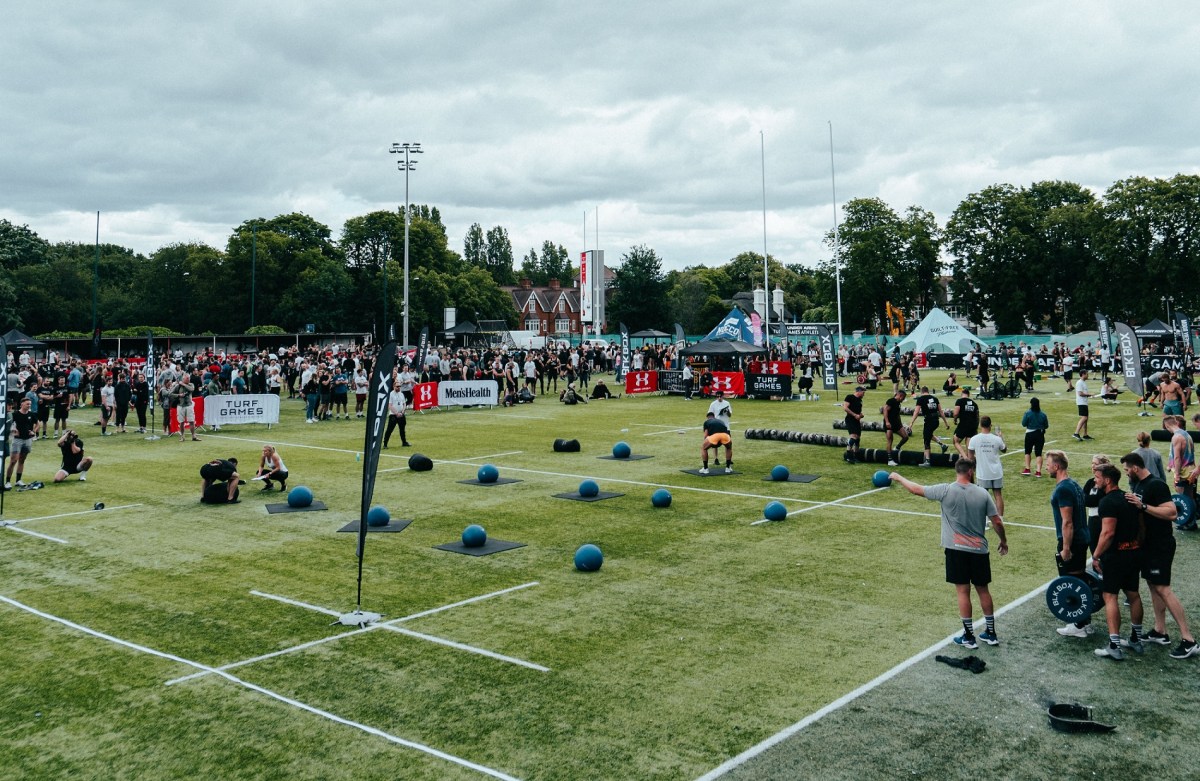
We’ve talked about Turf Games before on Gymfo, and for good reason. Think of it as the Glastonbury of fitness — a festival atmosphere where teams and individuals compete across a mix of functional fitness challenges. The workouts change every event, so you never quite know what’s coming, which is half the fun.

There are divisions for all levels from Everyday to Elite, so you genuinely don’t need to be a CrossFit Games athlete to take part. The Everyday division is designed for regular gym-goers who want to test themselves in a supportive, buzzing environment. The London Summer edition is always one of the highlights of the UK fitness calendar, and the community vibe makes it something special.

HYROX Events

HYROX has absolutely blown up in the UK over the past couple of years, and it shows no signs of slowing down. The format is simple but brutal: eight 1km runs, each followed by a functional workout station — things like sled pushes, wall balls, burpee broad jumps, and rowing. The format is identical worldwide, so you can compare your time against competitors from Berlin to Birmingham.

What makes HYROX so popular is that it gives everyday gym-goers a proper competitive goal to train towards. You don’t need to be an elite runner or a powerlifter — you just need decent all-round fitness and a willingness to suffer a bit. Events run throughout the summer across the UK, and there are doubles and relay categories if you’d rather share the pain with a mate.

Ultra Challenge Series

Fancy something a bit more scenic? The Ultra Challenge Series runs events through some of the UK’s most stunning landscapes. This summer you can tackle the Lake District (6-7 June), the Cotswold Way (13-14 June), or the North Yorkshire Moors (20-21 June). These aren’t just about running either — plenty of people walk them.

You can choose between a full ultra distance or shorter options, making it accessible whether you’re a seasoned trail runner or someone who just fancies a long walk with a purpose. Many people enter to raise money for charity, which adds an extra layer of motivation when your legs are telling you to stop. The scenery alone makes these events worth it — there aren’t many races where the views are as rewarding as the finish line.

Functional Fitness Competitions

The functional fitness scene in the UK continues to grow, with events like Mactuff X running nationwide challenges that combine obstacle course racing with functional training. These events are perfect if you find regular gym sessions a bit monotonous and want something that tests you in unexpected ways — think rope climbs, sandbag carries, and monkey bars mixed with running.

Most of these events have beginner-friendly waves, so don’t let the hardcore-sounding descriptions put you off. They’re messy, exhausting, and an absolute laugh. If you’re looking to find a gym that caters to functional fitness training, Gymist can help you browse gyms and personal trainers near you that specialise in this kind of training.

How to Pick the Right Event

With so many options, the trick is picking something that genuinely excites you rather than something that just sounds impressive. If you love the gym, HYROX or Turf Games will feel like a natural extension of what you already do. If you prefer being outdoors, the Ultra Challenge Series is hard to beat. And if you’re curious about what’s coming next in the fitness world, Elevate is unmissable.

The best thing about fitness events is that most of them cater to all levels. You don’t need to be training six days a week to enter — plenty of people sign up as a way to kickstart their fitness journey or just to try something different. Pick one that sounds fun, get a rough training plan together, rope in a friend if you can, and give it a go. You might surprise yourself.

Categories
Uncategorized

What are the Turf Games?

On first hearing, you could be forgiven for thinking that the Turf Games is a fancy five-a-side football tournament. Instead, the games are the Glastonberry festival of the fitness industry.

So why are you hearing about them now?

Well, the games are returning to the UK (Farnborough) on Saturday 18th February 2023 with three divisions for entry: Everyday, Intermediate, and Elite.

The elite division is what you would expect. Pitched as ‘the best of the best’, it has teams from around the UK competing for the coveted fitness crown. The intermediate division is for those with some experience and fitness professionals who might have previously entered a Turf Games or taken part on other events.

For the rest of us, the Everyday division is the place to be. The festival atmosphere gains the camaraderie of teammates but also between teams to be a truly special event. If you don’t have a gang of fitness-leaning buddies, you can sign up as an individual and maybe make a few friends along the way.

You’ll be picking up dumbells, kettlebells and barbells to deadlift, should to overhead, carry and clean. You’ll also be rowing, biking, skiing, running, climbing and jumping.

Find more information at https://turfgames.com/blogs/news/uk-winter-festival-23

Sign up at https://www.team-aretas.com/competitions/801

Categories
Uncategorized

Finding the perfect gym

With more than 7,000 fitness centres in the UK, there will be the right place for you.

The challenge is finding it. Whether that’s on a fitness finder like Gymist or a map service like Google, there are some things to consider first.

Photo by Scott Webb on Pexels.com

The first step is deciding why you are training. Is there a specific goal? Is there a particular activity? This will help you start to filter and rank the centres near you. Obviously, if you want to play five-a-side football, you want a centre with 5-a-side pitches. If you’re training for a powerlifting competition, you want a centre with specialised weights. If you don’t have a specific activity in mind, that’s no worries; general gyms will do.

So now you know what you’re looking for, there are a few other factors that will help you decide on the place for you.

Proximity sounds like a simple one but the distance you’re willing to travel depends on a few things. When are you training? Peak time? Then you won’t want to travel far. Taking public transport? Then you might not want to walk far after leg day. Map it out and make sure you will be willing to travel the distance regularly.

You may already have decided on what facilities you need if you have a specific activity or type of training. However, you might also think about parking, 24-hour access or whether there is a pool.

Now you’ve decided the type of gym you are looking for, the areas you will travel to and what facilities you want. The last part is finding it. You might start with Google maps, but I’ve found that if you want to find the classes and facilities you want, Gymist is the site I prefer. 

Categories
Uncategorized

Crossfit for beginners

It might look like the steepest learning curve you’ve seen and sound like a cult; however, Crossfit has gained so much popularity because it has value.

Your friend who got into Crossfit went through the Scientology style preaching and levelled off into the stray invite, then appeared on holiday with the body you’ve dreamed of. Magic?

No, it isn’t magic, but it is an exercise system that rewards dedication and determination. While we often see the crossfitters who have been working out for years, most sessions are filled with those of us that need a step change. The beginning of the journey can be intimidating, so here is a quick guide for getting started.

The first step

When I’m feeling very unfit, it can feel like a thousand-mile journey to get passably fit. However, that is ancient Chinese wisdom. A journey of a thousand miles begins with the first step. Just deciding and committing to starting the journey is enough to start. Crossfit might be a fast journey, but it is still a journey.

Live it, love it

A large part of fitness is the lifestyle, and Crossfit emphasises this. You have to make the effort in your lifestyle to achieve the results you see online. You have to live the Crossfit mentality in your diet and day to day before you’ll love the exercise sessions.

Photo by Leon Ardho on Pexels.com

Cross-functional fitness

It sounds like a marketing blurb for the uninitiated, but Crossfit is what it says it is. The easiest way to understand it is in reverse order. Fitness, yep, we got that. It might lead to exceptional fitness, but we all understand that fitness is the goal.

Functional is where the exercises may differ from your regular gym routine. Functional literally means movements that you may find helpful in life. Rather than isolating individual muscles as bodybuilders do, you want to build a functional body.

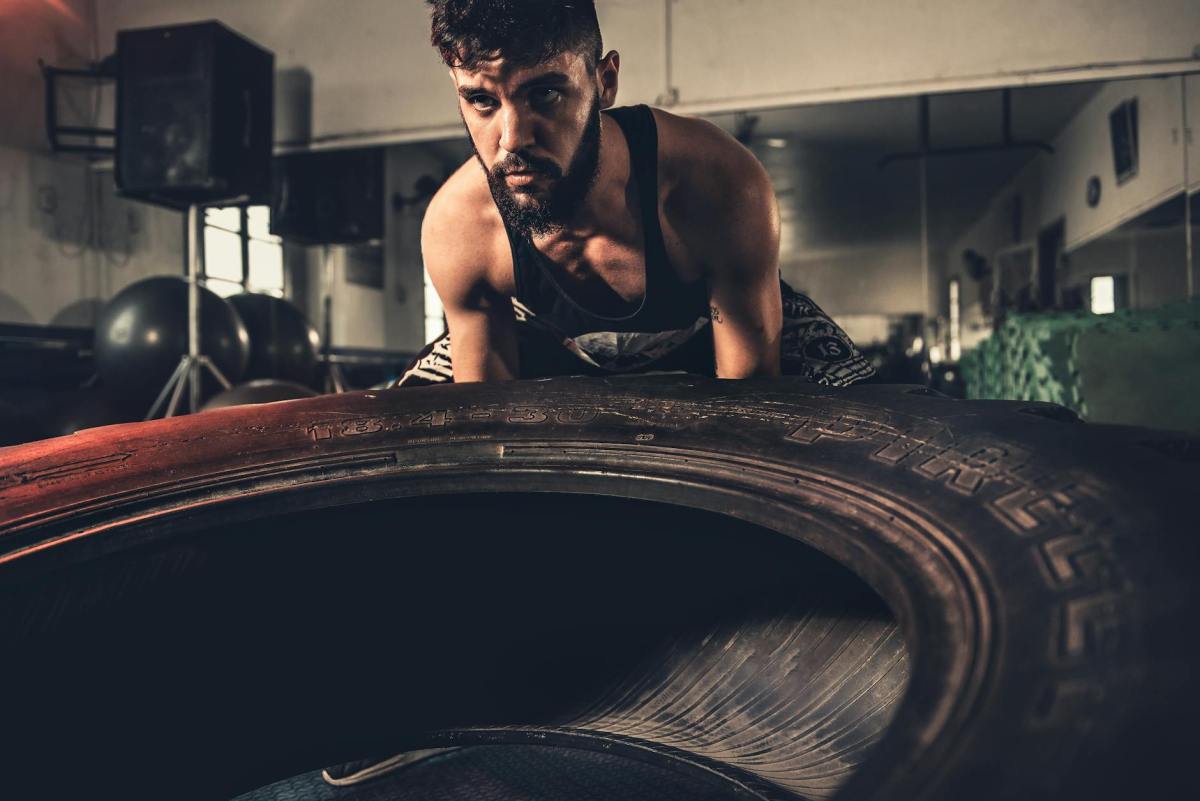
The cross part is not the result of the faces made during Crossfit. It is the idea of cross-function. For most people, this means building a body that has multiple functions or ‘cross functions’. This is why you will perform a variety of exercises, from flipping a tyre to sprinting. 

However you begin, the fastest way to know if Crossfit suits you is to find a Crossfit centre near you and get started!

Categories
Uncategorized

The workout gear

I’m all ‘all the gear and no idea’, are you?

Have you ever wondered what the best gear to buy for your workout is? Whether you are a yoga practitioner, a marathon runner on the treadmill, or just enjoy the free weights area, it’s essential to choose what you are comfortable with. This article gives great insights and tips on choosing the right gear to help make your experience more enjoyable and even more productive.

*Let’s skip over clothes. You can work out in a hoodie or in fabletics, whatever is functional and comfortable. Today let’s just look at what will help your gym time.

Lifting shoes

Edward Cooper writing in Men’s Health, suggests that you can tell the serious weight lifters not by their muscles but by their shoes.

The idea is that the spongey sole that takes the brunt out of impacts while running is not helpful when lifting weights. A softer sole can absorb some of your lifting power and allow movement around your ankle, which will not work out well.

These shoes are function over form and are specific to lifting. They aren’t going to give you the cushion that we are used to. However, if you are lifting, they are worth the investment. 

Photo by Ketut Subiyanto on Pexels.com

Gloves

Caliber has a great article on the pros and cons of wearing workout gloves.

In short, the article explains that gloves can add grip in some instances, reduces grip in some exercises and will not stop your hands from developing calluses. I very much recommend reading the full article.

Photo by Lukas on Pexels.com

Straps

The next level of grip is straps. It can be a little difficult to figure out how to use straps the first time. This video will help. Straps can be cheaper than gloves and may give you better results. 

Photo by Andrea Piacquadio on Pexels.com

Chalk

Chalk is the bain of everyone who has had to clean the equipment. The crusty substance left on bars worldwide is counterintuitive. Chalk, or magnesium carbonate is a powder (or liquid) that is used to aid grip. I questioned whether adding a powder or liquid should add grip but it does!

The real question is whether you should. The chalk stays on your hands and whatever you touch. In theory, helping the next person… to develop an OCD about cleaning.

Photo by cottonbro on Pexels.com