Categories
Fitness Culture Training Guides

The Reformer Pilates Boom: What UK Gym-Goers Need to Know Before Booking a Class

If it feels like reformer pilates has taken over every gym conversation, group chat, and Instagram feed in the past year — you’re not imagining it. It’s genuinely everywhere. New studios are popping up on high streets across the UK faster than coffee shops, and getting a spot in a popular class now requires the kind of dedication you’d normally reserve for Glastonbury tickets.

But what actually is reformer pilates? Is it worth the not-exactly-cheap price tag? And with a growing number of voices raising concerns about safety standards, what should you look out for before booking your first class?

Let’s break it all down.

So, What Even Is a Reformer?

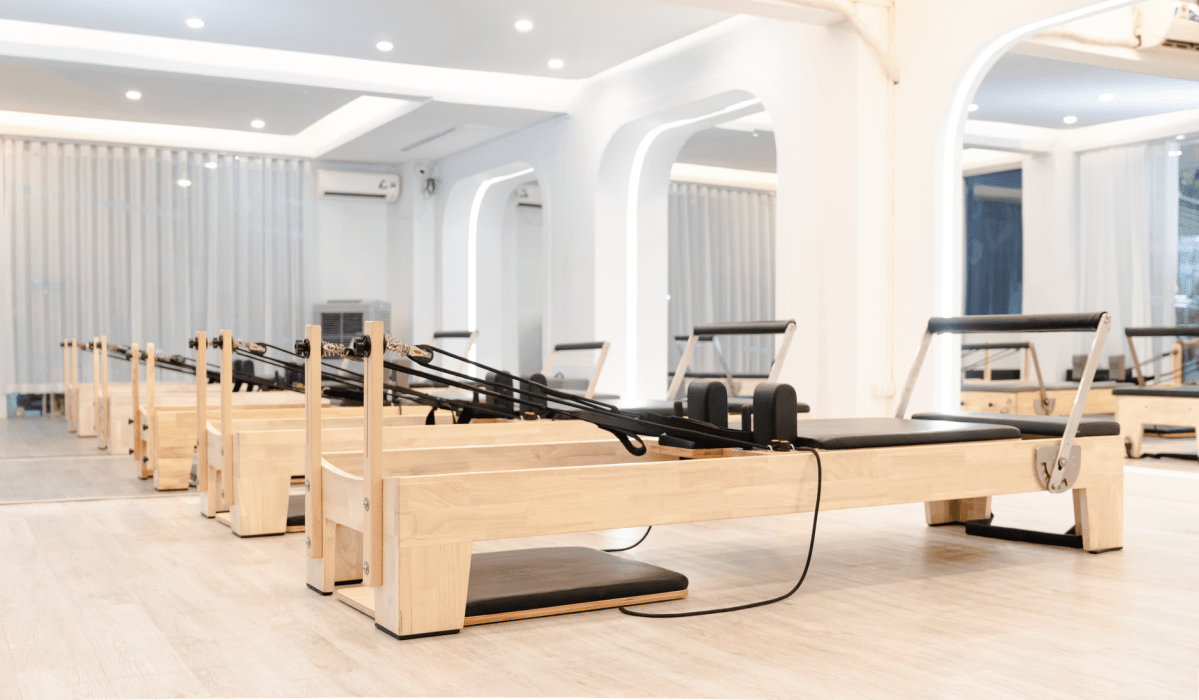
If you’ve never seen one before, a pilates reformer looks a bit like a sliding bed crossed with a medieval torture device. It’s a carriage that moves along a frame using a system of springs, pulleys, and footbars. The resistance created by those springs is what makes the workout — and the level of challenge can be adjusted depending on which springs you’re using.

Unlike a mat pilates class (which you can do pretty much anywhere with a YouTube video), reformer pilates requires actual equipment, which is why it’s done in studios. Classes tend to be smaller than your average gym session — typically 8 to 12 people — which means more individual attention from the instructor.

The whole system was invented by Joseph Pilates back in the early 20th century, but the current craze has very much been driven by social media and a string of celebrity fans. The UK pilates and yoga market is now worth an estimated £1.1 billion, and applications from reformer pilates instructors jumped by a staggering 948% between 2024 and 2025. That’s not a typo.

Why Are People So Into It?

The honest answer is: because it works. Reformer pilates is a low-impact, full-body workout that builds serious core strength, improves flexibility, and helps with posture and alignment. The spring-based resistance means you’re getting a decent strength workout without the joint stress of, say, heavy lifting or high-intensity cardio.

It’s particularly popular with people recovering from injuries, those returning to exercise after a break, and anyone who’s been put off by the more aggressive culture of traditional gyms. There’s no ego, no grunting, no one hogging the squat rack.

Research backs up the appeal too. Studies have shown benefits including reduced body fat percentage, lower cortisol levels (that’s your stress hormone), and improved mental wellbeing. For people doing three sessions a week over eight weeks, the results in terms of both physical conditioning and stress reduction were genuinely significant.

It also happens to be a solid complement to other training. If you run, lift weights, or play sport, adding reformer pilates into your routine can improve your mobility and help with injury prevention.

What Does It Cost in the UK?

This is where things get a bit eye-watering. A single drop-in reformer pilates class typically runs between £20 and £35, depending on where you are in the country and the studio you choose. London, unsurprisingly, tends to be at the higher end.

Most studios offer introductory bundles — often three classes for around £30 to £45 — which are a good way to try it out without committing to a full membership. Regular attendees can usually access better value through class packs or monthly memberships.

Yes, it’s pricier than a standard gym membership. The reason is simple: reformers are expensive pieces of kit, class sizes are smaller, and the overheads are higher. Whether that cost is worth it really depends on what you’re after — more on that in a moment.

The Part Nobody’s Talking About Enough: Safety

Here’s where things get a bit more serious. The rapid expansion of reformer pilates in the UK has raised some legitimate concerns about instructor quality and studio standards.

In the UK, there’s currently no legal requirement for someone to hold a formal qualification before calling themselves a pilates instructor. While reputable studios do require recognised certifications (usually Level 3 or higher), plenty don’t — and with demand outstripping supply of properly trained instructors, some studios have been cutting corners.

Industry bodies including the Pilates Foundation have warned that classes can be “potentially dangerous in the hands of someone who has had a short period of training.” There have been documented cases of injuries linked to poor instruction, overcrowded studios, and improperly maintained equipment.

None of this means you should avoid reformer pilates — but it does mean you should do a bit of research before handing over your card details.

How to Pick a Good Studio

A few things to look for when you’re choosing where to go:

Check the instructor’s qualifications. Don’t be shy about asking. Look for Level 3 qualifications as a minimum, or instructors who are members of a recognised body like the Register of Exercise Professionals (REPs) or CIMSPA.

Class sizes matter. Smaller classes mean more individual attention. If a studio is packing 20 people into a reformer session, that’s a red flag.

Start with a beginner or foundation class. Even if you’re fit and active, don’t jump straight into an intermediate class. The reformer has its own learning curve, and proper technique from the start will serve you much better in the long run.

Try before you commit. Many studios offer introductory deals or free taster sessions. Take advantage of them — it’s a good way to get a feel for the space and the instructor before you sign up for a monthly membership.

Is It Actually Worth It?

For a lot of people, genuinely yes. If you’re looking for a low-impact workout that builds real functional strength, helps with stress, and feels a bit more considered than your average gym session, reformer pilates delivers. The results people see over consistent weeks of training are hard to argue with.

That said, it’s not magic, it’s not free, and it’s not for everyone. If you’re on a tight budget or prefer heavy lifting and high-intensity sessions, it might not be your thing.

The key is finding a good studio with properly qualified instructors — and if you’re in the UK right now, you have more options than ever to do exactly that.

If you’re looking for fitness studios or personal trainers near you, Gymist can help you find the right fit — whether that’s a reformer pilates studio or something else entirely.
Categories
Fitness Events Training Guides

What Is HYROX? The UK’s Hottest Fitness Race Explained

If you’ve been anywhere near a gym lately or scrolled through fitness content online, you’ve probably heard the word “HYROX” being thrown around. It’s on everyone’s lips, plastered across gym walls, and filling up Instagram feeds with sweaty finisher photos. But if you’re still not quite sure what it is or whether it’s for you — you’re in the right place.

So, What Actually Is HYROX?

HYROX is a fitness race. Simple as that. Created in Germany back in 2017, it’s grown into one of the biggest sporting events on the planet, with over 1.3 million people expected to take part in 100+ events worldwide during the 2025/26 season.

The concept is brilliantly straightforward: you run 8 kilometres (split into 8 × 1km runs), and between each run, you complete one functional workout station. Eight runs, eight stations, and a whole lot of sweat.

What makes HYROX different from, say, a Tough Mudder or other obstacle events is that the format is always identical. Every HYROX race — whether you’re in London, Birmingham, or Tokyo — features the exact same eight stations, in the exact same order, with the same distances. That means you can train specifically for it, compare your time with friends, and genuinely get better at the thing you’re doing.

The 8 HYROX Stations Explained

Here’s what you’ll face after each 1km run:

1. SkiErg (1,000m) — You’ll pull two overhead cables down in a smooth, rhythmic motion that mimics cross-country skiing. A great full-body aerobic challenge to ease you in.

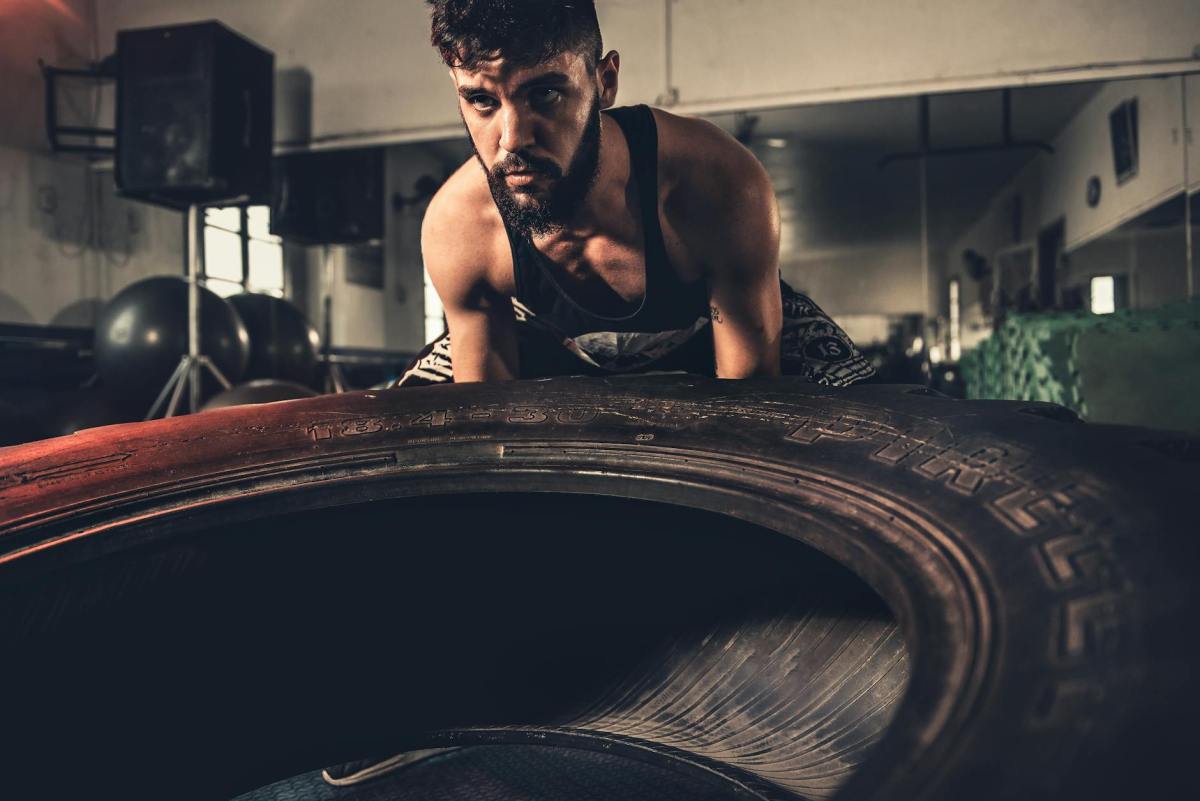
2. Sled Push (50m) — Load up a weighted sled and push it across the floor. Sounds simple. Very much is not.

3. Sled Pull (50m) — Same sled, but this time you’re walking backwards pulling it with a rope. Grip strength and leg drive are key.

4. Burpee Broad Jumps (80m) — A crowd favourite for all the wrong reasons. You’ll burpee-into-broad-jump your way across 80 metres. It’s as brutal as it sounds.

5. Rowing (1,000m) — A full kilometre on a Concept2 rowing machine. If you haven’t trained on a rower, this is the one that catches people out.

6. Farmers Carry (200m) — Pick up a pair of heavy kettlebells and walk 200 metres. Simple in theory, grip-destroying in practice.

7. Sandbag Lunges (100m) — Shoulder a sandbag and lunge your way down 100 metres. By this point in the race, your legs will be having a serious word with you.

8. Wall Balls (100 reps) — The final station. Squat and throw a weighted ball against a target on the wall, over and over. When you finish, the race is done.

Is HYROX Actually for Beginners?

This is the big question, and the good news is: yes. HYROX is genuinely beginner-friendly in a way that a lot of fitness events aren’t.

There are three main race categories for newcomers:

  • Open — Individual racing, perfect for your first event. No podium pressure, just you vs. the clock.
  • Doubles — You share the workload with a partner, splitting the running and the stations between you. Great if you want the experience without the full solo slog.
  • Relay — A team of four splits up the stations between them. If you want to try it with mates before committing to the full thing, this is the one.

The weights are scaled between categories too, so women, men, and mixed divisions all have different loads at each station.

Most beginners need around 8–12 weeks of focused training to feel ready for their first race. You don’t need to be a CrossFit veteran or an ultra-runner — a solid aerobic base, some functional strength work, and a bit of specific prep for the trickier stations (looking at you, sled) goes a long way.

HYROX UK Events in 2026

UK events sell out fast — sometimes months in advance — so if you’re thinking about signing up, don’t hang around. Here’s what’s left on the 2026 calendar:

  • Birmingham (NEC): 27 October – 1 November 2026
  • London (ExCeL): 2–6 December 2026

Both events also include YoungStars days for juniors — Birmingham on 31 Oct–1 Nov and London on 5–6 Dec — so if you’ve got fitness-mad kids, it’s a cracking family weekend out too.

Check hyrox.com for the latest availability and registration. If you’re interested in Birmingham, genuinely, move quickly.

How to Start Training for HYROX

You don’t need to overhaul your entire routine overnight. Here’s a simple framework to get started:

Build your running base first. The 8km of running is the backbone of HYROX. If you’re not running regularly, start adding 2–3 runs a week into your routine, mixing easy-effort runs with some tempo work.

Practice the stations. Most well-equipped gyms have SkiErgs, rowing machines, and sleds. Start working these into your sessions. The sled push and pull in particular can feel foreign if you’ve never done them — getting some practice in before race day makes a massive difference.

Train the transitions. HYROX is won and lost in the ability to keep moving after a run. Practice going from running to rowing, or straight into lunges, so your body adapts to the switch.

Don’t neglect your grip. Farmers carries and sled pulls are grip-intensive. Add farmers carries and dead hangs into your routine early on.

If you’re looking for a gym in the UK that offers HYROX-specific training or functional fitness classes to help you prep, find a gym near you on Gymist — many gyms now run dedicated HYROX prep sessions ahead of the big race weekends.

The Community Side of It

One of the things that makes HYROX genuinely special isn’t just the race itself — it’s the atmosphere. HYROX events are loud, supportive, and electric. Strangers cheer each other through the final wall balls. People compare stations and swap training tips in the post-event area. There’s something about sharing the same fixed suffering with thousands of other people that creates a brilliant sense of community.

The events run over multiple days with multiple waves, so you’re often racing alongside hundreds of other people across all fitness levels. Elites are competing for podiums. First-timers are just trying to finish. Everyone’s welcome.

Ready to Give It a Go?

Whether you end up entering the Birmingham or London event later this year, or just start training with HYROX as a fitness goal in mind, it’s a genuinely brilliant way to structure your training. The format gives you something to train for, the community is ace, and crossing that finish line — no matter your time — feels pretty damn good.

Now go find a sled.

Categories
Gym Tips Training Guides

Free Outdoor Workouts in the UK: Your Guide to Getting Fit Outside This Summer

Summer’s here, the days are long, and honestly — there’s never been a better time to ditch the gym membership fees and take your workout outside. Whether you’re a seasoned lifter looking for a change of scenery or a total beginner who’d rather not set foot in a gym just yet, the UK has loads of free outdoor workout options that’ll get your heart pumping without spending a penny.

From free outdoor gym equipment in your local park to bootcamp-style circuits you can do with nothing but a park bench, here’s everything you need to know about getting fit outside this summer.

Free Outdoor Gyms: Your Council’s Best-Kept Secret

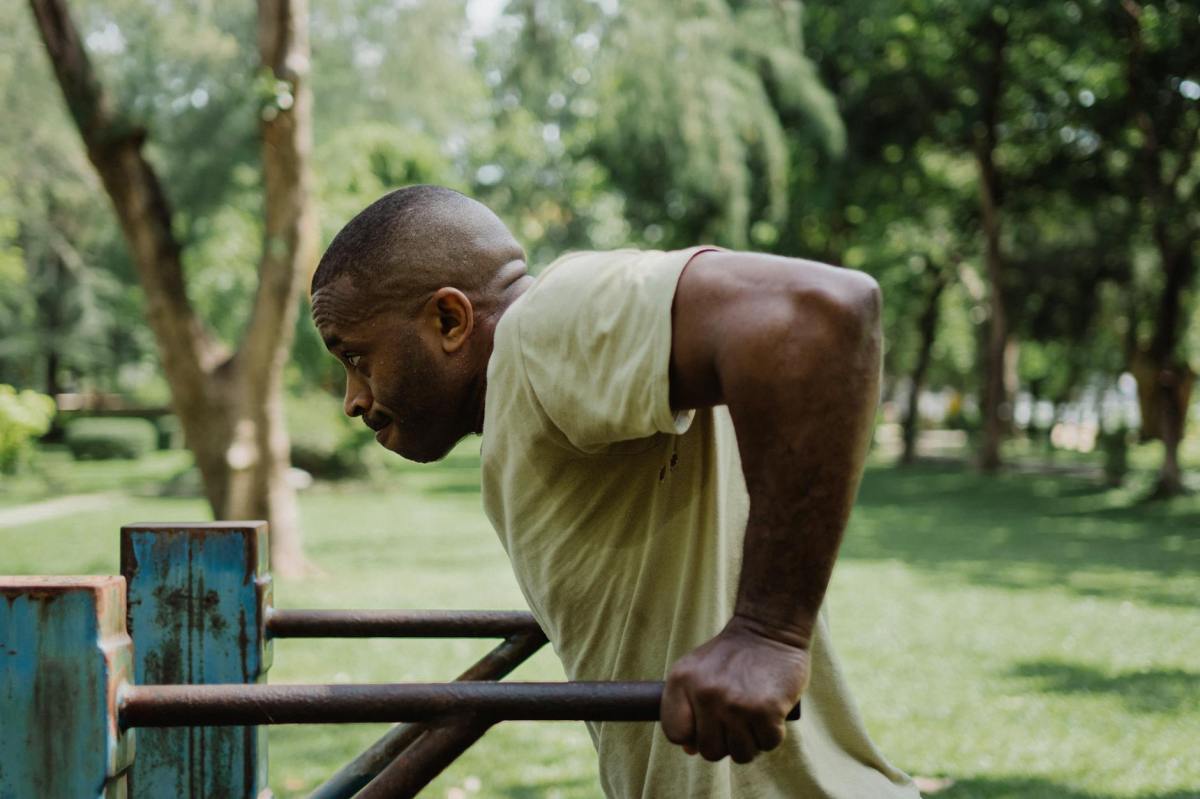
Here’s something a lot of people don’t realise — hundreds of councils across the UK have installed free outdoor gym equipment in local parks. We’re talking pull-up bars, leg presses, cross trainers, step-up platforms, and more. No membership, no booking, no queuing for the squat rack. Just rock up and get to work.

Cities like London, Birmingham, Cambridge, and Richmond have kitted out their green spaces with proper resistance and cardio equipment. And it’s not just the big cities — plenty of smaller towns and parish councils have got in on the action too.

Want to find one near you? The Find Park Gyms directory is a brilliant free tool that maps outdoor gym locations across the country. Pop in your postcode and you might be surprised what’s right on your doorstep. And if you want to find a traditional gym to complement your outdoor sessions on rainy days, Gymist can help you browse gyms in your area.

The Park Bench Workout: No Equipment Needed

Don’t have an outdoor gym nearby? No worries — a humble park bench is genuinely one of the most versatile bits of workout equipment you’ll ever find. Here are some moves to try:

  • Tricep dips — hands on the edge of the bench, lower yourself down and press back up. Three sets of 12 and your arms will be burning.
  • Incline press-ups — hands on the bench, feet on the ground. Great for beginners working up to full press-ups.
  • Decline press-ups — feet on the bench, hands on the ground. For when the incline version gets too easy.
  • Bulgarian split squats — back foot on the bench, drop into a lunge. Absolutely lethal for your quads and glutes.
  • Step-ups — simple but effective, especially if you pick up the pace or add a knee drive at the top.
  • Box jumps — if the bench is sturdy enough, explosive jumps onto it are a killer cardio and power exercise.

String five or six of these together with 30 seconds rest between each, repeat three times, and you’ve got yourself a solid 20-minute full-body session.

Parkrun: Free, Social, and Everywhere

If you haven’t tried Parkrun yet, what are you waiting for? Every Saturday morning at 9am, thousands of people across the UK gather in local parks for a free, timed 5K run. It’s completely free to join — just register online, print your barcode, and show up.

The beauty of Parkrun is that it’s for everyone. You’ll see elite runners smashing sub-17 minute times alongside people walking the whole thing with pushchairs. There’s no pressure, no judgement, and the community vibe is genuinely brilliant. Many locations also have a junior Parkrun on Sunday mornings for kids aged 4-14.

It’s also a fantastic way to build a running habit. Having a fixed time and place each week — plus the social accountability — makes it much easier to stick with than solo runs.

Outdoor Bootcamps and Group Sessions

If you prefer working out with other people (and let’s be honest, it does make burpees slightly more bearable), outdoor bootcamp classes have absolutely exploded across the UK. Organisations like Our Parks run free group fitness sessions in parks across the country — yes, completely free.

These sessions are usually led by qualified instructors and cover everything from HIIT circuits to yoga to strength training. It’s the perfect option if you want the structure of a class without the price tag of a studio.

There are also loads of paid outdoor bootcamp groups if you’re after something more intensive — companies like British Military Fitness and local PT-led groups often train in parks through the summer months. If you’re looking for a personal trainer who offers outdoor sessions, you can search for PTs on Gymist to find one near you.

Wild Swimming and Water Sports

For something a bit different, wild swimming has seen a massive surge in popularity across the UK. Lakes, rivers, and coastal spots offer a refreshing (sometimes very refreshing) full-body workout that’s completely free. Just make sure you pick a safe, designated spot — check for lifeguard coverage or swim with a group, especially if you’re new to open water.

Paddleboarding and kayaking are also brilliant summer fitness options if you’re near the coast or a lake. Many local centres offer affordable taster sessions to get you started.

Tips for Making Outdoor Workouts Work

Training outside is class, but a few practical things are worth keeping in mind:

  • Sun protection — slap on the SPF, even on cloudy days. Nobody wants to train through sunburn.
  • Stay hydrated — bring more water than you think you’ll need, especially in the heat.
  • Warm up properly — cold muscles plus explosive movements equals injury risk, even in summer.
  • Check the surface — wet grass can be slippery, and uneven ground needs a bit more ankle awareness than a gym floor.
  • Timing matters — early morning or early evening sessions avoid the worst of the midday heat and UV.

The Bottom Line

You don’t need an expensive gym membership or fancy equipment to get a quality workout in. The UK’s parks, coastlines, and green spaces are packed with free opportunities to train — from council-installed gym equipment to community-run fitness groups. This summer, take advantage of the longer days and get outside. Your body (and your wallet) will thank you.

Got a favourite outdoor workout spot? We’d love to hear about it — drop us a comment below or tag us when you’re training in the sunshine.