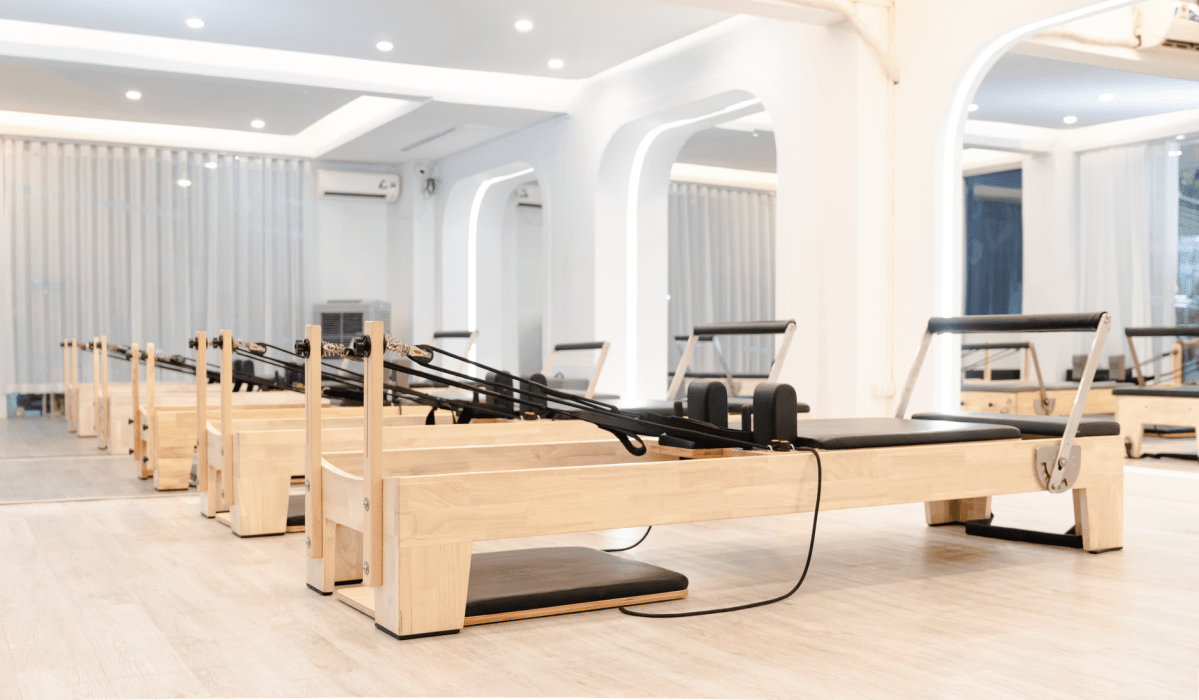
If it feels like reformer pilates has taken over every gym conversation, group chat, and Instagram feed in the past year — you’re not imagining it. It’s genuinely everywhere. New studios are popping up on high streets across the UK faster than coffee shops, and getting a spot in a popular class now requires the kind of dedication you’d normally reserve for Glastonbury tickets.
But what actually is reformer pilates? Is it worth the not-exactly-cheap price tag? And with a growing number of voices raising concerns about safety standards, what should you look out for before booking your first class?
Let’s break it all down.
So, What Even Is a Reformer?
If you’ve never seen one before, a pilates reformer looks a bit like a sliding bed crossed with a medieval torture device. It’s a carriage that moves along a frame using a system of springs, pulleys, and footbars. The resistance created by those springs is what makes the workout — and the level of challenge can be adjusted depending on which springs you’re using.
Unlike a mat pilates class (which you can do pretty much anywhere with a YouTube video), reformer pilates requires actual equipment, which is why it’s done in studios. Classes tend to be smaller than your average gym session — typically 8 to 12 people — which means more individual attention from the instructor.
The whole system was invented by Joseph Pilates back in the early 20th century, but the current craze has very much been driven by social media and a string of celebrity fans. The UK pilates and yoga market is now worth an estimated £1.1 billion, and applications from reformer pilates instructors jumped by a staggering 948% between 2024 and 2025. That’s not a typo.
Why Are People So Into It?
The honest answer is: because it works. Reformer pilates is a low-impact, full-body workout that builds serious core strength, improves flexibility, and helps with posture and alignment. The spring-based resistance means you’re getting a decent strength workout without the joint stress of, say, heavy lifting or high-intensity cardio.
It’s particularly popular with people recovering from injuries, those returning to exercise after a break, and anyone who’s been put off by the more aggressive culture of traditional gyms. There’s no ego, no grunting, no one hogging the squat rack.
Research backs up the appeal too. Studies have shown benefits including reduced body fat percentage, lower cortisol levels (that’s your stress hormone), and improved mental wellbeing. For people doing three sessions a week over eight weeks, the results in terms of both physical conditioning and stress reduction were genuinely significant.
It also happens to be a solid complement to other training. If you run, lift weights, or play sport, adding reformer pilates into your routine can improve your mobility and help with injury prevention.
What Does It Cost in the UK?
This is where things get a bit eye-watering. A single drop-in reformer pilates class typically runs between £20 and £35, depending on where you are in the country and the studio you choose. London, unsurprisingly, tends to be at the higher end.
Most studios offer introductory bundles — often three classes for around £30 to £45 — which are a good way to try it out without committing to a full membership. Regular attendees can usually access better value through class packs or monthly memberships.
Yes, it’s pricier than a standard gym membership. The reason is simple: reformers are expensive pieces of kit, class sizes are smaller, and the overheads are higher. Whether that cost is worth it really depends on what you’re after — more on that in a moment.
The Part Nobody’s Talking About Enough: Safety
Here’s where things get a bit more serious. The rapid expansion of reformer pilates in the UK has raised some legitimate concerns about instructor quality and studio standards.
In the UK, there’s currently no legal requirement for someone to hold a formal qualification before calling themselves a pilates instructor. While reputable studios do require recognised certifications (usually Level 3 or higher), plenty don’t — and with demand outstripping supply of properly trained instructors, some studios have been cutting corners.
Industry bodies including the Pilates Foundation have warned that classes can be “potentially dangerous in the hands of someone who has had a short period of training.” There have been documented cases of injuries linked to poor instruction, overcrowded studios, and improperly maintained equipment.
None of this means you should avoid reformer pilates — but it does mean you should do a bit of research before handing over your card details.
How to Pick a Good Studio
A few things to look for when you’re choosing where to go:
Check the instructor’s qualifications. Don’t be shy about asking. Look for Level 3 qualifications as a minimum, or instructors who are members of a recognised body like the Register of Exercise Professionals (REPs) or CIMSPA.
Class sizes matter. Smaller classes mean more individual attention. If a studio is packing 20 people into a reformer session, that’s a red flag.
Start with a beginner or foundation class. Even if you’re fit and active, don’t jump straight into an intermediate class. The reformer has its own learning curve, and proper technique from the start will serve you much better in the long run.
Try before you commit. Many studios offer introductory deals or free taster sessions. Take advantage of them — it’s a good way to get a feel for the space and the instructor before you sign up for a monthly membership.
Is It Actually Worth It?
For a lot of people, genuinely yes. If you’re looking for a low-impact workout that builds real functional strength, helps with stress, and feels a bit more considered than your average gym session, reformer pilates delivers. The results people see over consistent weeks of training are hard to argue with.
That said, it’s not magic, it’s not free, and it’s not for everyone. If you’re on a tight budget or prefer heavy lifting and high-intensity sessions, it might not be your thing.
The key is finding a good studio with properly qualified instructors — and if you’re in the UK right now, you have more options than ever to do exactly that.
If you’re looking for fitness studios or personal trainers near you, Gymist can help you find the right fit — whether that’s a reformer pilates studio or something else entirely.

